Angry Bulldog
The First Impression: A Bold Statement
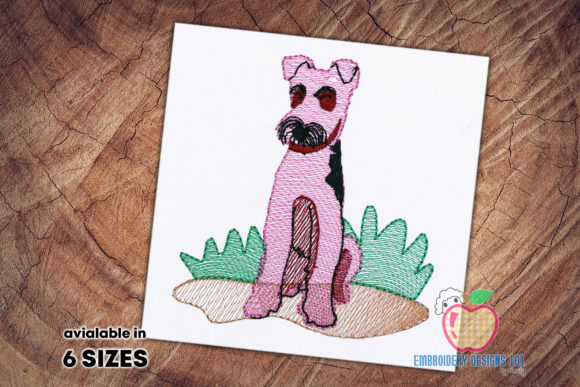
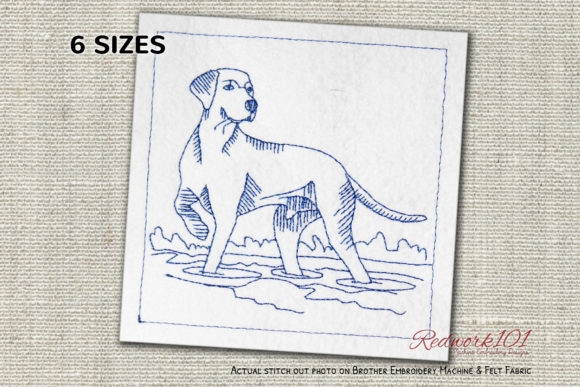
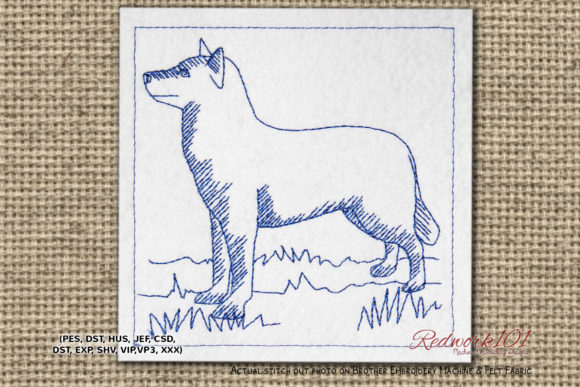
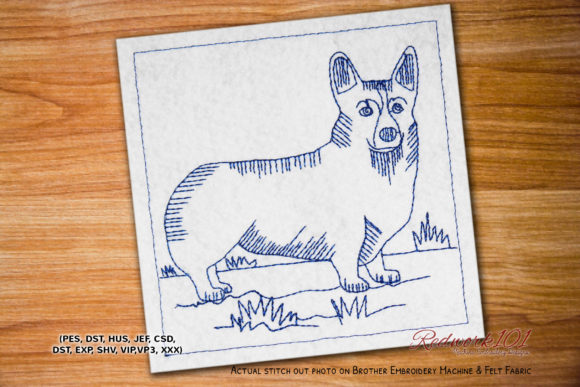
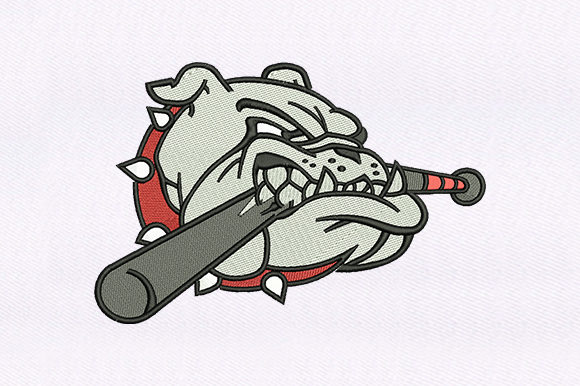
Angry Bulldog hits the eye with a confident, almost confrontational energy. The design is not subtle—it’s a statement. The bulldog’s face is rendered with sharp angles and exaggerated features that scream strength and defiance. This isn’t just an embroidery design; it’s a character with attitude. The lines are bold, the contours defined, and the overall composition feels dynamic, as if the dog is ready to charge.
What stands out immediately is the level of detail in the facial expression. The eyes are intense, the muzzle is muscular, and the fur texture is hinted at through careful stitch placement. It’s clear this design was created with purpose—whether for a custom apparel project or a personalized gift, Angry Bulldog is built to make an impact.
Real-Life Scenario: Custom Embroidered Tote Bag
Let’s imagine a scenario where I’m preparing a custom embroidered tote bag for a client. The client wants something eye-catching but also wearable. I’m considering using Angry Bulldog on the front panel. The design’s strong visual presence would work well on a large surface, making it ideal for a tote bag. However, I’d need to think about how the design will translate when stitched.
First, I’d check the file formats provided: 10O, ART, CND, DSB, DST, DSZ, EXP, HUS, JEF, PCS, PEC, PES, TAP, VIP, VP3, XXX. These cover a wide range of machine embroidery software, which is reassuring. Next, I’d test the design on scrap fabric to see how it looks in practice. The bold lines and textures might require a bit more stabilizer than usual to prevent puckering, especially on thinner fabrics like canvas or cotton.
I’d also consider thread color contrast. A black or dark blue thread could help bring out the details, while a lighter shade might wash out the intensity of the design. Testing in both light and dark backgrounds is essential to ensure the finished product maintains its visual punch.
Where to Use Angry Bulldog with Care
While Angry Bulldog is powerful, it’s not without its limitations. The design’s density and detail mean it’s best suited for larger hoop sizes and sturdy fabrics. Using it on small hoops or stretchy materials could lead to distortion or poor stitch clarity. For example, applying it to a baby onesie or a thin knit fabric might result in a less crisp finish.
Also, the design’s intricate corners and detailed facial features may pose challenges on curved surfaces like caps or hats. I’d recommend testing these areas first. Similarly, if the design is intended for frequent washing, such as on a kitchen towel or apron, the stitching should be inspected for durability. High stitch density can sometimes cause fraying, so proper stabilizer use is crucial.
Visual Appeal and Customer Trust
When it comes to customer trust, visual appeal plays a big role. Angry Bulldog has the potential to elevate a handmade product, especially in the realm of custom apparel or personalized gifts. The design’s strong personality makes it memorable, which is important for brand consistency and giftability.
However, it’s important to maintain a balance. While the design is bold, it shouldn’t overshadow the product itself. For instance, using it on a delicate item like a pillow cover or a tea towel might feel too aggressive. In those cases, a simpler design might be more appropriate. That said, for a boutique product or a craft fair item, Angry Bulldog could serve as a standout piece that draws attention and sparks conversation.
Practical Designer Notes for Success
Before using Angry Bulldog in any real project, there are a few key steps to take:
- Test on scrap fabric to assess stitch clarity and fabric interaction.
- Check thread color contrast to ensure the design pops on the chosen fabric.
- Review stitch density to determine if it suits the intended application.
- Confirm hoop size to avoid distortion or poor stitching quality.
- Inspect small details, especially if the design includes text or fine lines.
- Test in black and white mockups to evaluate how the design holds up under different lighting conditions.
- Use proper stabilizer to maintain fabric integrity during stitching.
- Ensure the design works for both personal and commercial projects by checking licensing terms.
- Confirm licensing before selling finished items or digital products.
These steps are especially important for Etsy sellers, small shop owners, and craft business professionals who rely on consistent quality and customer satisfaction.
Final Thoughts on Angry Bulldog
Angry Bulldog is a design that demands attention. It’s not for the faint of heart, but for those who want to make a statement with their embroidery. Whether you’re creating custom apparel, personalized gifts, or boutique merchandise, this design has the potential to stand out. Just remember to approach it with care, test it thoroughly, and ensure it aligns with your brand and the needs of your customers.