Washing Machine Bluework
A Design for the Practical Stitcher
As a designer who’s stitched everything from baby blankets to boutique aprons, I’ve seen countless embroidery designs come and go. Washing Machine Bluework is one that caught my eye—not because it’s flashy, but because it speaks to a real-world need. It’s not just another generic machine embroidery design; it’s a thoughtful piece with potential, but also some subtle considerations that make it more than just a pretty pattern.
The First Impression: Clean, Functional, and Focused
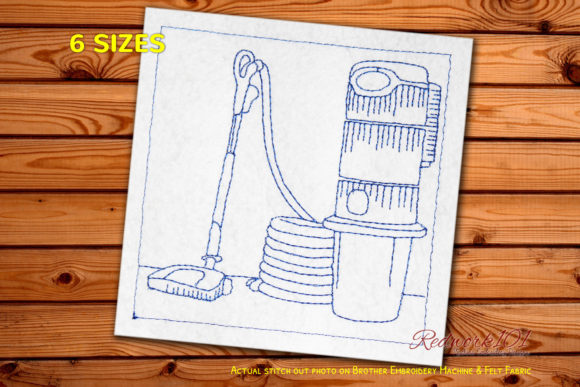
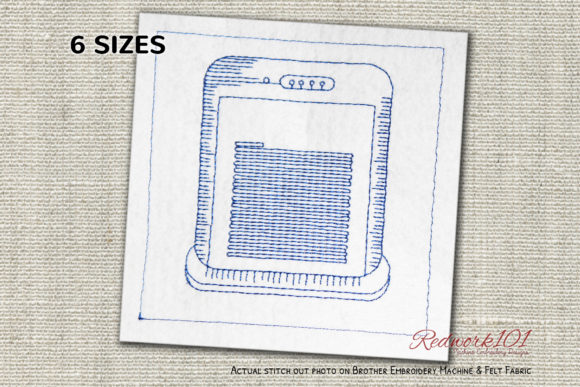
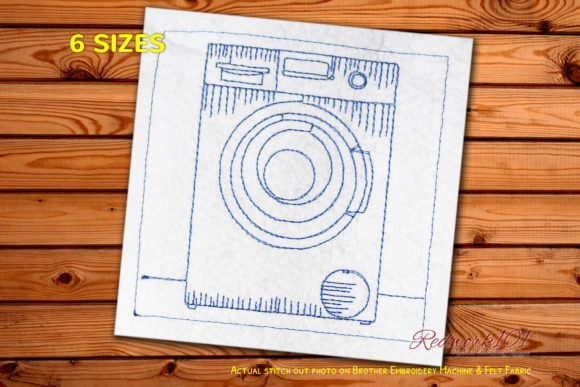
At first glance, Washing Machine Bluework feels like a straightforward design. The simple lines of the washing machine shape are clean and easy to read, which is a big plus for someone looking to stitch something recognizable without too much complexity. The blue tones are soft and versatile, making it adaptable to a range of color palettes. However, what stands out most is the intentional use of space—there’s no unnecessary embellishment or over-stitching that might complicate the final product.
This design has a quiet, utilitarian vibe that makes it feel at home on everyday items like tote bags, aprons, and even baby clothes. It doesn’t scream for attention, but it does communicate clearly. That’s a rare quality in a world full of loud, busy embroidery patterns.
Real-Life Use Cases: Where This Design Shines
Washing Machine Bluework is ideal for custom apparel projects where simplicity meets functionality. Imagine adding it to a vintage-style tote bag or a handmade apron—both practical and stylish. It could also work well as an embroidered patch or a personalized gift for a homeowner who loves modern minimalism.
For small businesses, this design could be a great addition to a craft shop’s inventory. Etsy sellers and local makers would find it useful for creating affordable, yet meaningful products. A printable mockup or digital embroidery file would allow for easy customization, making it a flexible asset for different markets.
However, it’s worth noting that this design isn’t suited for every project. Its clean lines and limited detail mean it may not be the best choice for high-impact branding or decorative accents that require more visual interest. It’s more about understated elegance than bold statement-making.
Considerations for Real-World Embroidery
Before stitching, there are a few key things to consider. First, the hoop size. Washing Machine Bluework is relatively compact, so it should fit well in standard hoops. But if you’re planning to use it on larger garments or curved surfaces like caps, you’ll want to test it on scrap fabric first to ensure it looks good in its intended environment.
Thread color contrast is another important factor. While the blue tones are versatile, they can sometimes blend into darker fabrics. Always check your thread colors against the background fabric, especially if you’re using dark materials like black or navy. A white or light-colored stabilizer can help enhance visibility during the stitching process.
Stitch density is also worth considering. The design uses a mix of satin stitch and running stitch, which gives it a smooth, professional finish. However, dense areas may require careful handling, especially on stretchy or textured fabrics. Using the right stabilizer and adjusting stitch settings accordingly can prevent puckering or distortion.
Another thing to keep in mind is the design’s adaptability. Since the box stitch is optional, you have the flexibility to modify it based on your project needs. If you’re working on a baby item or a holiday gift, you might choose to skip the outer box for a more streamlined look. This versatility makes it a valuable asset for both personal and commercial use.
Design Impact: Visual Appeal and Customer Trust
When it comes to handmade products, visual appeal plays a huge role in customer trust. Washing Machine Bluework delivers on that front with its clean lines and cohesive color scheme. It’s the kind of design that feels intentional and well-crafted, which is essential for building a brand identity or creating gifts that people will cherish.
For personalized gifts, this design adds a touch of modernity without being too trendy. It works well for both men’s and women’s apparel, making it a gender-neutral option that can appeal to a wide audience. As a result, it has the potential to increase buyer engagement and create a sense of recognition among customers who appreciate minimalist design.
Practical Designer Notes
Before using Washing Machine Bluework in a finished product, always test it on scrap fabric. Check how it looks in black and white mockups to ensure clarity and contrast. Review stitch density and confirm that the design performs well on different fabric types, including thin, textured, or stretchy materials.
If you plan to sell the design as a digital product or embroidery file, make sure you understand licensing terms. Some designs come with restrictions on commercial use, so it’s important to verify these details before offering them to clients or customers.
Finally, remember that the success of any embroidery project depends on the quality of the finished product. Washing Machine Bluework is a solid foundation, but it’s up to the designer to bring it to life with care, attention to detail, and a clear understanding of its purpose.